

What Creatine Does: The Science Behind Muscle Energy and Recovery
Creatine replenishes ATP through the phosphocreatine system, giving your muscles rapid fuel for short bursts of hard effort. At a maintenance dose of 3 to 5 grams a day, it raises muscle creatine stores and, paired with resistance training, reliably improves strength, power output, and lean muscle mass. Creatine monohydrate remains the most-studied and best-supported form on the market, and it’s considered one of the most thoroughly researched ergogenic aids in sports nutrition.
Here’s the short version of what matters most:
- Creatine speeds up ATP regeneration during sprints, heavy lifts, and other high-intensity efforts lasting under 30 seconds.
- Regular use increases training capacity, which over months translates into more muscle and more strength.
- Loading is optional. Most people reach full saturation in three to four weeks on a flat daily dose.
Quick fact: Most of the creatine in your body sits in skeletal muscle as phosphocreatine, according to a creatine performance overview from the University of Delaware. That’s why supplementation targets muscle energy so directly.
If you have pre-existing kidney disease or are pregnant, talk to a doctor before starting. For most healthy adults, creatine is one of the safer, more predictable supplements you can add to a training plan.
Key Takeaways
Creatine works by replenishing ATP through phosphocreatine, and 3 to 5 grams daily reliably improves high-intensity performance and muscle growth when paired with resistance training.
| Point | Details |
|---|---|
| Core mechanism | Phosphocreatine rapidly regenerates ATP during short, high-intensity efforts under 30 seconds. |
| Proven benefits | Improves work capacity, strength, and muscle mass when combined with resistance training. |
| Maintenance dosing | Take 3 to 5 grams daily; loading is optional and mainly speeds up saturation. |
| Safety profile | No consistent kidney harm signal in healthy adults; consult a doctor if you have kidney disease. |
| Where to start | Racepack SG offers monohydrate in capsule and powder formats with next-day delivery in Singapore. |
Table of Contents
- How Creatine Works: Synthesis, Storage, and ATP Resynthesis
- Benefits for Muscle, Strength, and Athletic Performance
- Does Creatine Help With Brain Health and Cognition?
- Creatine Dosing, Timing, and Supplementation Protocols
- Is Creatine Safe? Side Effects and Common Myths
- What to Expect When You Start (and Stop) Creatine
- Why Racepack SG Trusts Monohydrate and Where to Find It
- Where Conventional Creatine Advice Gets It Wrong
- Get Started With Creatine From Racepack SG
- Sources
- FAQ
How Creatine Works: Synthesis, Storage, and ATP Resynthesis
Your body makes creatine on its own. The liver, kidneys, and pancreas synthesize it from three amino acids: arginine, glycine, and methionine. Diet contributes too, mostly from red meat and fish, but the amounts in food rarely match what supplementation delivers in a controlled dose.
Once made, creatine travels through the bloodstream and gets pulled into tissues that burn through energy fast. Most of it ends up stored in skeletal muscle, with smaller amounts in the brain and heart, based on the same University of Delaware overview. Inside muscle cells, creatine combines with a phosphate group to form phosphocreatine (PCr), a reserve fuel tank that sits ready for the moment you need it.
Here’s the mechanism that actually matters for performance: when you lift a heavy weight or sprint, your muscles burn through ATP (adenosine triphosphate) almost instantly. ATP is the molecule that powers every muscle contraction, but your cells only keep a few seconds’ worth on hand. Phosphocreatine steps in immediately, donating its phosphate group to spent ADP molecules and regenerating ATP on the spot. This is the phosphocreatine shuttle, and it’s fast. Faster, in fact, than pulling energy from carbohydrate or fat metabolism, which is why it dominates during the first 10 to 15 seconds of maximal effort.
The phosphocreatine system is the only energy pathway that can regenerate ATP without waiting on oxygen delivery or glycolysis to ramp up. That speed advantage is the entire reason creatine supplementation shows up in strength and power sports rather than marathon training.
There’s a secondary effect worth understanding too. The creatine phosphate shuttle also appears to improve mitochondrial coupling, meaning your cells convert fuel into usable energy more efficiently and produce fewer reactive oxygen species (ROS) as a byproduct. Less oxidative stress at the cellular level may support faster recovery between sets, though this effect is harder to feel directly than the strength gains.
What creatine does not do is meaningfully extend aerobic endurance on its own. Phosphocreatine stores are limited. They get used up within seconds during all-out effort and take minutes to fully replenish. That makes creatine a poor fit as a standalone tool for distance running or long cycling efforts, where aerobic metabolism (using oxygen to burn fat and carbohydrate) carries the load instead.
A few practical points follow from the mechanism:
- Creatine’s benefit is concentrated in efforts under 30 seconds: sprints, jumps, heavy singles, and short intervals.
- Repeated short bursts, like interval training or set after set in the weight room, benefit more than one continuous long effort.
- The phosphocreatine system needs full stores to work at capacity, which is the entire logic behind daily supplementation rather than occasional use.
Understanding this mechanism changes how you should think about creatine claims. It’s not a fat burner, and it’s not a stimulant. It’s a fuel reserve booster for the specific type of effort where ATP demand outpaces supply for a few seconds at a time.
Benefits for Muscle, Strength, and Athletic Performance
Creatine’s best-documented benefit is straightforward: it improves work capacity during high-intensity, short-duration exercise, and when paired with resistance training, it increases both muscle mass and strength, according to clinical reviews of creatine’s ergogenic effects. This isn’t a fringe finding. It’s one of the most consistently replicated results in sports nutrition research.
The mechanism behind those gains isn’t magic. It comes down to training volume. When your muscles have more phosphocreatine on hand, you can complete another rep, push another set closer to failure, or shave a few seconds off recovery between sprints. Multiply that small edge across a training block, and you end up doing measurably more total work over weeks and months. More total work, applied consistently, is what drives muscle growth and strength adaptation. Creatine also appears to reduce some markers of exercise-induced muscle damage, which may explain why some lifters report feeling more recovered session to session.
Who benefits most from this effect:
- Power and strength athletes doing sprints, jumps, or heavy resistance work.
- Resistance-trained individuals looking to add reps or push past a plateau.
- Older adults using resistance training to preserve muscle mass and function, where creatine has shown particular promise in maintaining lean tissue.
- Anyone rebuilding strength after a layoff, since more completed volume per session speeds adaptation.
Creatine has clear limits too. It is not a general endurance enhancer. If your goal is a faster 10K or a longer century ride, creatine’s role is minor at best, because those efforts rely on aerobic metabolism rather than the phosphocreatine system. Some athletes worry creatine adds “dead weight” for endurance sports through water retention, and while that concern is often overstated, it’s fair to say creatine’s cost-benefit case is strongest for anyone doing repeated short, hard efforts, not steady-state cardio.
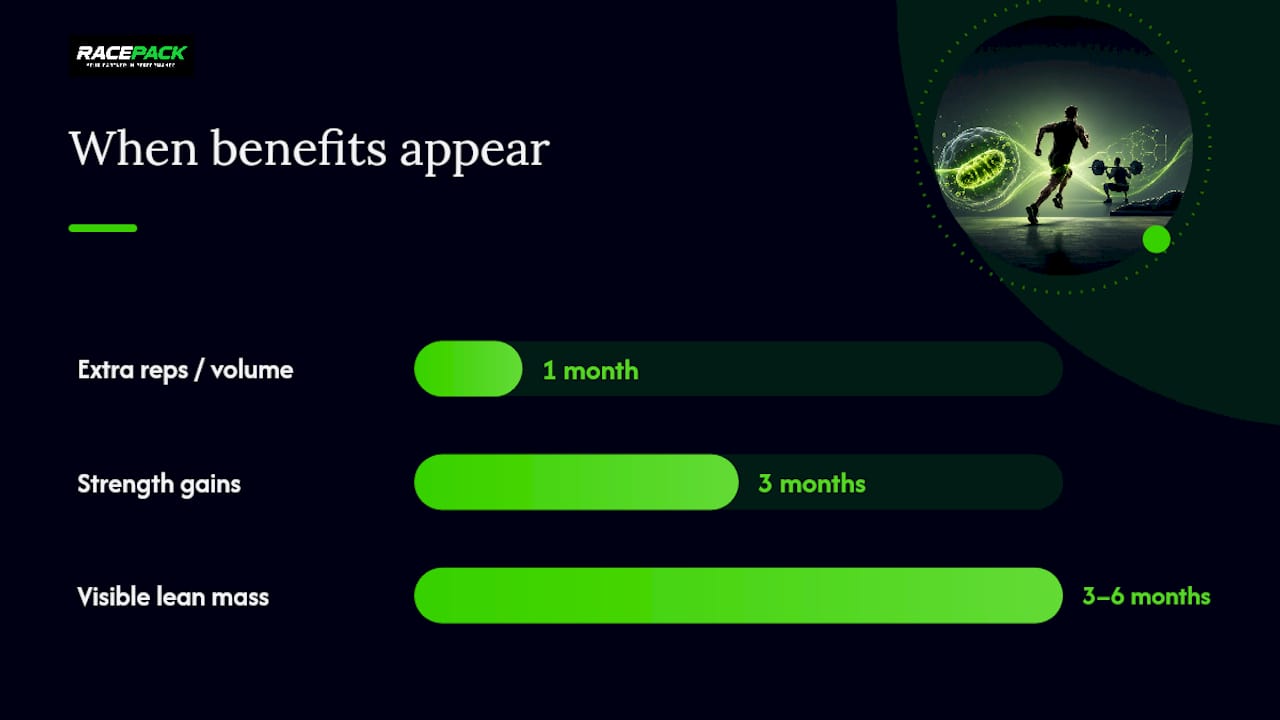
What’s a reasonable expectation over a training block? Most people who supplement consistently while training report the ability to complete a few extra reps per set or slightly more total volume per session within the first month. Over three to six months of consistent resistance training, that added volume compounds into visible strength gains and modest increases in lean mass, on top of what training alone would produce. Creatine amplifies the effect of a solid training program. It doesn’t replace one. If you’re not training with enough intensity or consistency to create a stimulus, no amount of phosphocreatine in your muscles will build strength by itself. For anyone building a supplement stack around resistance training, a creatine monohydrate guide is a useful starting point for matching dose to training goals.
Does Creatine Help With Brain Health and Cognition?
The evidence here is promising but still developing, and it’s worth being precise about what’s established versus what’s emerging. Roughly 5% of your body’s creatine sits in the brain as phosphocreatine, and the same energy-buffering logic that applies to muscle may apply to neurons under metabolic stress, according to a review of creatine in health and disease.
The theory: brain cells, like muscle cells, need fast ATP regeneration during periods of high demand, whether that’s intense cognitive load, sleep deprivation, or the metabolic stress that comes with aging. Raising brain phosphocreatine stores could, in principle, give neurons more buffer capacity to maintain energy output when demand spikes.
What the current research actually shows:
- Some trials in older adults suggest creatine supplementation may support memory and certain cognitive tasks, though results vary by study design and population.
- Sleep-deprived individuals in small trials have shown improved cognitive performance with creatine compared to placebo, an effect plausibly tied to the same ATP-buffering mechanism seen in muscle.
- Vegetarians, who typically have lower baseline creatine stores from diet alone, may see larger relative cognitive gains from supplementation than habitual meat eaters, a point echoed in Harvard Health’s overview of creatine’s potential benefits and risks.
- Preliminary interest exists in creatine’s role in aging-related cognitive decline and certain neurological conditions, but this remains an active area of study rather than a settled recommendation.
It’s worth being honest about where the line sits. The muscle performance data is deep, replicated across decades, and consistent. The cognitive data is real but thinner, drawn from smaller trials and more variable populations. If you’re taking creatine primarily for training performance, cognitive support is a plausible bonus, not the reason to start. If you’re specifically curious about brain health, treat current findings as encouraging early signals rather than proof of a guaranteed effect.
Creatine Dosing, Timing, and Supplementation Protocols
Most adults do well with a maintenance dose of 3 to 5 grams per day, taken consistently, according to the International Society of Sports Nutrition position stand. That range saturates muscle creatine stores over time and sustains them with daily use, without the gastrointestinal discomfort that can come with higher single doses.
Here’s how the two main approaches to starting compare:
- Maintenance-only approach. Take 3 to 5 grams daily from day one. Muscle stores build gradually, reaching full saturation in about three to four weeks. This is the simpler, gentler option with less risk of stomach upset.
- Loading phase (optional). Take around 20 grams per day, split into four doses, for five to seven days, then drop to the standard 3 to 5 gram maintenance dose. Loading saturates muscle stores within days instead of weeks, which appeals to anyone with a competition or training block starting soon.
- Timing considerations. Taking creatine alongside a meal containing carbohydrate and protein may modestly improve muscle uptake, since the insulin response helps shuttle creatine into cells. There’s no strong evidence that pre- versus post-workout timing matters much beyond that.
- Form selection. Creatine monohydrate is the most extensively studied form, and no other variant (creatine ethyl ester, buffered creatine, or liquid formulations) has demonstrated a clear performance advantage over it. Creapure, a patented German-manufactured monohydrate, is a common choice for people who want a quality benchmark on purity.
Larger athletes, or those with more total muscle mass, sometimes need to push toward the higher end of the 3 to 5 gram range to reach the same relative saturation as someone smaller. If you weigh considerably more than average and aren’t noticing the expected training benefits after a month, bumping toward 5 grams daily is a reasonable adjustment before assuming creatine isn’t working for you.
Pro Tip: Skip the loading phase if you’re sensitive to GI discomfort. A flat 3 to 5 gram daily dose gets you to the same saturated muscle stores as loading, it just takes a few extra weeks to get there.
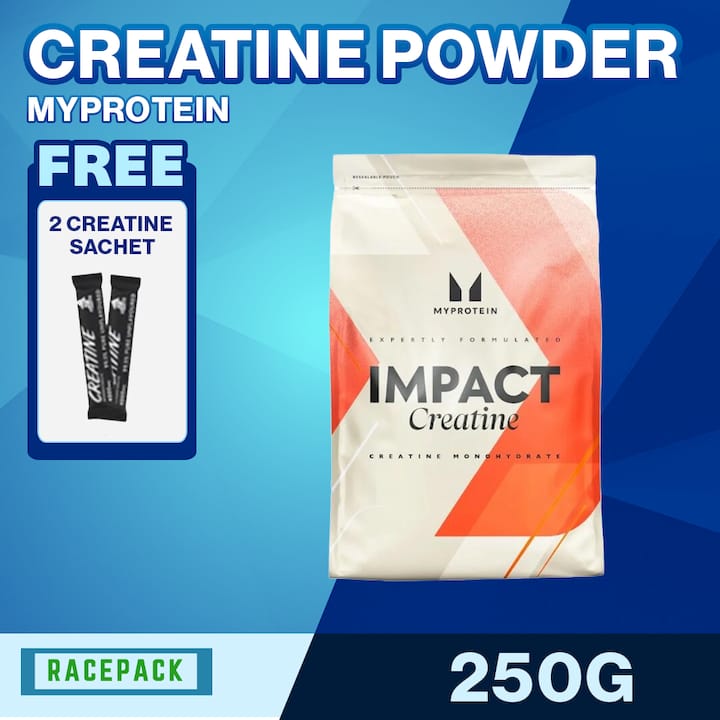
For readers who want a powder they can dose flexibly by the scoop, MyProtein Creatine Powder makes it easy to adjust between 3 and 5 grams depending on body size and training load. If you’d rather standardize on a specific, quality-verified monohydrate, MyProtein Creatine Monohydrate with Creapure uses the German-manufactured form many athletes treat as a purity benchmark.
Is Creatine Safe? Side Effects and Common Myths
Creatine has one of the cleanest safety records of any sports supplement studied in healthy adults. Major reviews, including the ISSN’s position stand on efficacy and safety, have not found a consistent signal of kidney harm in people with normal kidney function, even with long-term use spanning years in some trial populations.
Creatine is described by sports nutrition authorities as among the most thoroughly studied ergogenic aids on the market, with safety data covering healthy individuals across a range of age groups, according to the ISSN position stand.
The most common side effects are minor:
- Temporary water weight, usually a pound or two, as creatine draws water into muscle cells through a process called cell volumization.
- Occasional gastrointestinal discomfort, more common with high-dose loading than with steady maintenance dosing.
- No meaningful evidence that creatine causes dehydration or cramping. In fact, the water it pulls into muscle cells stays there rather than depleting fluid elsewhere in the body, an effect described in University of Rochester Medicine’s overview of creatine basics.
The kidney concern deserves a direct answer, since it’s the myth that comes up most. Creatine slightly raises creatinine, a waste product doctors use as a kidney function marker, which can look alarming on a routine blood panel. But this rise reflects creatine metabolism itself, not kidney damage, and healthy kidneys clear it without issue. The exception is real: if you have pre-existing kidney disease, are pregnant, or take medications that affect kidney function, talk to a doctor before starting creatine and before interpreting any creatinine changes on lab work. Clinical summaries, including Cleveland Clinic’s overview of creatine, consistently flag this as the main group that needs medical guidance rather than self-supplementation.
If you’re monitoring your own response, watch for unusual swelling, persistent GI distress that doesn’t improve after lowering the dose, or any symptoms that suggest a kidney issue unrelated to creatine itself, like changes in urine output. For most people, none of that ever comes up. The far more common experience is a slightly fuller look to the muscles and better performance in the gym.
What to Expect When You Start (and Stop) Creatine
Your timeline depends on which protocol you choose. On a flat maintenance dose of 3 to 5 grams daily, muscle creatine stores build gradually and reach saturation in about three to four weeks. If you load with the higher short-term dose, you’ll hit saturation within days, according to University of Delaware’s comparison of loading and maintenance protocols.
Here’s a realistic breakdown of what that first month looks like:
- Week 1. If loading, you may notice a slight weight increase from water retention within cells. If skipping loading, you likely won’t notice much yet.
- Weeks 2 to 3. Training capacity starts to shift. Extra reps become more achievable, and recovery between sets may feel slightly better.
- Week 4. Most people on either protocol have reached full or near-full muscle saturation. This is typically when the training benefits become consistent rather than occasional. A small increase in body weight, usually one to three pounds, is common and comes from water inside muscle cells, not fat gain.
- Beyond week 4. Continued training with creatine on board compounds the advantage: more completed volume translates into strength and muscle gains that show up on a longer timeline.
If you stop taking creatine, stores decline gradually over several weeks as your body returns to relying on what it produces and gets from food alone. There’s no rebound effect and no evidence that supplementation suppresses your body’s own creatine synthesis long-term. You simply lose the extra reserve capacity, and any water weight gained during supplementation tends to come back down.
The best results come from pairing creatine with a structured resistance training program and adequate protein intake. Creatine amplifies what your training is already doing. It’s not a substitute for progressive overload or consistent effort in the gym.
Why Racepack SG Trusts Monohydrate and Where to Find It
This article draws on peer-reviewed research from the International Society of Sports Nutrition and clinical summaries from institutions like Cleveland Clinic and Harvard Health, the same sources sports scientists and dietitians rely on. Author Jason John writes on evidence-based supplementation for Racepack SG, translating research findings into practical guidance readers can act on without wading through clinical jargon themselves.
Racepack SG stocks creatine because the evidence for it is stronger and more consistent than for almost any other supplement category. Every product ships with guaranteed authenticity and next-day delivery within Singapore, so you’re not gambling on a gray-market product or waiting weeks for something you could start using this week.
Three creatine options currently available:
- Life Extension Creatine Capsules, a capsule format for anyone who prefers precise, no-mixing dosing.
- MyProtein Creatine Powder, a flexible powder that scales easily from 3 to 5 grams by body size.
Monohydrate remains the recommended default across all three, because it’s the form with the deepest research base and no proven performance edge lost compared to pricier alternatives.
Where Conventional Creatine Advice Gets It Wrong
The biggest gap in most creatine content isn’t the science. It’s the framing. Too many guides treat creatine like a magic switch, promising dramatic transformations, when the honest research supports something more modest and more durable: a reliable tool that lets you do slightly more work, slightly more consistently, over months of training.
The conventional advice on loading also deserves pushback. Loading protocols get pitched as the default, when the actual evidence shows maintenance-only dosing gets you to the same saturated endpoint with less gastrointestinal risk. Unless you have a specific event bearing down in the next week or two, there’s no compelling reason to load.
If I had to name what readers underestimate most, it’s the training requirement. Creatine doesn’t create adaptation on its own. It removes a small bottleneck in your energy system, so training that’s already close to your limit can push slightly past it. Skip the training intensity, and creatine sits in your muscles doing very little for you.
Prioritize consistency over cleverness: a flat daily dose, taken with food, sustained for months alongside real training effort, beats any loading trick or timing gimmick the internet tends to obsess over.
— Jason John
Get Started With Creatine From Racepack SG
Racepack SG gives you a faster, more reliable path to the creatine research actually supports, without wading through gray-market listings or guessing whether a product is genuine. Every creatine product on the site ships with guaranteed authenticity and next-day delivery across Singapore, so you can move from reading about phosphocreatine and ATP resynthesis to actually stocking your kitchen shelf within a day.
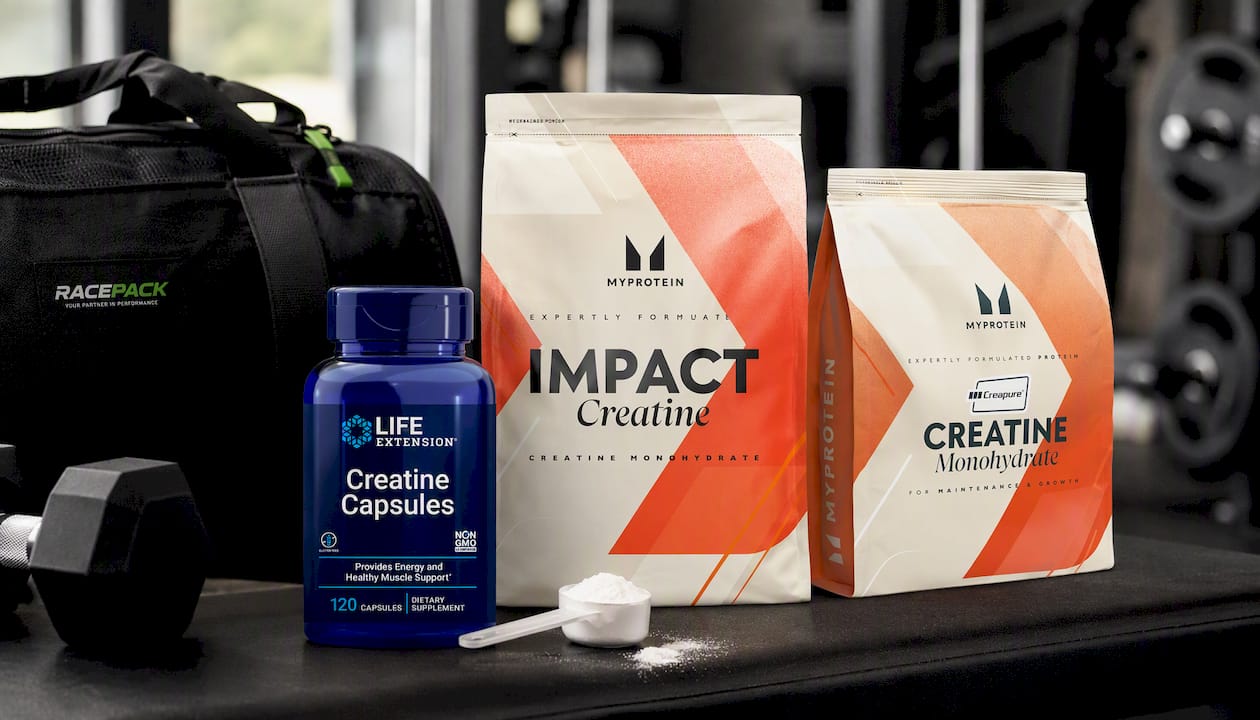
Whether you want the simplicity of capsules, the dosing flexibility of powder, or the Creapure quality standard, Racepack SG’s catalog covers all three approaches without forcing you to choose between convenience and evidence. Pair your creatine with a broader look at evidence-based nutrition and supplementation if you’re building out a full training stack, or head straight to a localized creatine guide built around strength and muscle growth for training-specific pairing advice. Ready to start? Buy creatine now and have it on your doorstep by tomorrow.
Sources
- International Society of Sports Nutrition position stand
- University of Delaware — creatine overview
- Cleveland Clinic — Creatine: What it does
FAQ
Is it okay to take creatine every day?
Yes. Daily dosing at 3 to 5 grams is the standard, evidence-backed protocol, and long-term daily use has not shown a consistent safety signal in healthy adults according to the ISSN position stand.
Will creatine burn belly fat?
No. Creatine isn’t a fat burner; it supports muscle energy and strength training performance, and any change in body composition comes from added muscle and training capacity, not direct fat loss.
What is the main downside of creatine?
The most common downside is temporary water weight from water being drawn into muscle cells, plus occasional mild GI discomfort, especially during a loading phase rather than steady maintenance dosing.
What happens after one month of creatine use?
Most people reach full muscle saturation by around week four, at which point training benefits like extra reps and improved recovery between sets become more consistent, alongside a modest weight increase from water retention.
Does creatine cause kidney damage?
No consistent evidence shows kidney harm in healthy adults with normal kidney function, though anyone with pre-existing kidney disease should consult a doctor before starting, per Cleveland Clinic’s guidance.
Should I do a loading phase or skip it?
Loading is optional. It saturates muscle stores within days versus the three to four weeks a flat maintenance dose takes, but it carries a higher chance of GI discomfort.
Which form of creatine is best?
Creatine monohydrate is the most researched form, and no alternative formulation has shown a clear performance advantage over it, making options like MyProtein Creatine Monohydrate with Creapure a solid default choice.
Does creatine help with brain function?
Emerging research suggests creatine may support memory and cognitive performance, particularly in older adults, vegetarians, and sleep-deprived individuals, though this evidence is less established than the performance data.
Does creatine cause dehydration?
No. Creatine draws water into muscle cells rather than depleting fluid elsewhere in the body, an effect confirmed by University of Rochester Medicine.
How long does it take to see results from creatine?
With maintenance dosing, most people notice improved training capacity within two to three weeks and full effects by around week four; loading accelerates that timeline to a matter of days.
What happens if I stop taking creatine?
Muscle creatine stores decline gradually over several weeks, and any water weight gained during use tends to normalize, but there’s no evidence of long-term suppression of your body’s own creatine production.
Can beginners take creatine, or is it only for advanced lifters?
Creatine works for beginners and advanced trainees alike, since the benefit scales with how much high-intensity training volume you’re doing, not your experience level.
Ready to add creatine to your training? Buy now and get it delivered next-day across Singapore.