

Creatine Loading Phase: Does It Actually Speed Up Results?
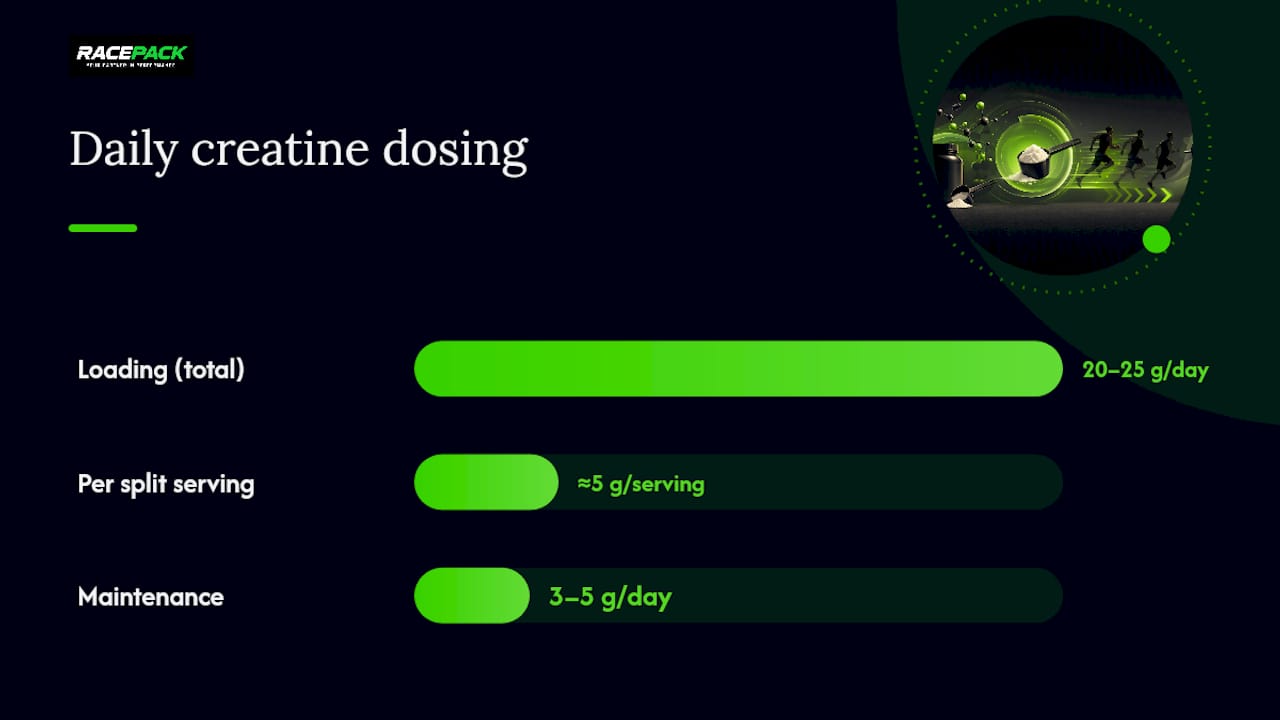
A creatine loading phase fills your muscle stores in about 5 to 7 days, using 20 to 25 grams a day split into 4 to 5 doses, followed by a 3 to 5 gram daily maintenance dose. Loading speeds up saturation. It does not raise your long-term ceiling for strength or muscle size, and skipping it entirely still gets you to the same place in a few weeks.
- Load if: you have a competition, testing block, or training camp within 7 to 14 days
- Skip loading if: you’re not in a rush, want fewer GI issues, or you’re already tracking body weight closely
- Maintenance dose either way: 3 to 5 grams per day, indefinitely
Key Takeaways
Creatine loading accelerates muscle saturation to about 5 to 7 days, but steady 3 to 5 gram daily dosing reaches the same endpoint in roughly a month with less GI risk.
| Point | Details |
|---|---|
| Loading speeds saturation only | 20 to 25 g/day for 5 to 7 days saturates muscle faster than daily dosing, but doesn’t raise your ceiling. |
| Maintenance dose stays constant | Both paths settle at 3 to 5 g/day once saturation is reached. |
| Split doses to cut side effects | Break loading days into 4 to 5 servings of about 5 g each with meals. |
| Water weight is expected, not fat | A 1 to 3 kg early increase reflects water shifting into muscle cells. |
| Racepack SG covers both protocols | MyProtein powder suits loading and trial use; Life Extension capsules and SiS Creatine 400g suit long-term maintenance. |
This article is general information, not a substitute for advice from a qualified doctor. Consult a qualified healthcare professional about your own circumstances before acting on anything here.
Table of Contents
- What the Research Says About Creatine Loading vs. Daily Dosing
- Which Benefits Show Up Faster, and Which Don’t
- Creatine Loading Side Effects and How to Avoid Them
- How to Load Creatine the Right Way (Step by Step)
- Should You Load or Just Start With Maintenance Dosing?
- Why Racepack SG’s Creatine Lineup Fits Both Protocols
- Loading Is a Timeline Decision, Not a Performance Hack
- Get the Right Creatine for Your Protocol, Delivered Next Day
- Sources
- FAQ
What the Research Says About Creatine Loading vs. Daily Dosing
The comparison boils down to two timelines that end at the identical destination. A standard loading protocol, 20 to 25 grams a day for 5 to 7 days, saturates muscle creatine stores fast. Skip the loading phase and take 3 to 5 grams daily instead, and you reach that same saturation point in roughly 28 to 30 days. Neither path buys you a higher ceiling. They just arrive at different speeds.
Saturation timelines at a glance:
- Loading protocol (20 to 25 g/day, split doses): 5 to 7 days to saturation
- Daily maintenance-only protocol (3 to 5 g/day): 28 to 30 days to saturation
- End-state muscle creatine concentration: essentially the same either way
This isn’t new science. The foundational work from researchers like Hultman and Harris decades ago established that loading and steady dosing land at the same endpoint, a finding that’s held up across subsequent creatine research. More recent reviews reinforce the same conclusion: creatine monohydrate is well-studied and safe for healthy adults, and loading is presented as optional, a timeline choice rather than a requirement. The Cleveland Clinic’s breakdown of the standard protocol backs the same split-dose structure most coaches recommend.
Which Benefits Show Up Faster, and Which Don’t
Loading changes when you feel results, not how big those results eventually get. That distinction trips up a lot of lifters who assume faster saturation means better long-term outcomes.
- Power output and muscle fullness can improve within the first week when you load, since your stores fill faster
- Long-term strength and muscle gains depend on your training program, not your creatine timeline. Loading doesn’t add extra adaptation on top of the same workouts
- People with lower baseline creatine stores, particularly vegetarians and vegans, often see a larger relative jump since dietary creatine comes almost entirely from meat and fish
If you’re vegetarian or simply new to supplementing, loading may feel more noticeable simply because you started from a lower baseline.
Pro Tip: Don’t mistake the early “fuller” feeling from loading as a sign you can push extra volume right away. Your muscles are storing more creatine, but your joints, tendons, and recovery capacity still need the ramp you already had planned.
Creatine Loading Side Effects and How to Avoid Them
The most common creatine loading side effects are gastrointestinal, bloating, cramping, and a heavier stomach, especially when someone takes a large dose all at once instead of splitting it.
- GI upset: More likely at higher single doses; splitting 20 to 25 grams into 4 to 5 smaller servings substantially reduces this risk
- Water weight: Expect some early weight change during the loading week due to water shifting into muscle cells. That’s intracellular water moving into muscle tissue, not fat gain, so don’t panic if the scale jumps
- Kidney safety: Reviews of healthy adults consistently show no evidence that standard creatine dosing harms kidney function. If you have pre-existing kidney disease, talk to a doctor before starting any loading protocol
Track progress by how your lifts and recovery feel over two to three weeks, not by day-to-day scale numbers during the loading week itself. The water shift settles once you move to maintenance dosing.
How to Load Creatine the Right Way (Step by Step)
Here’s the practical version, whether you’re loading fast or taking the patient route.
- Calculate your loading dose. Standard loading runs 20 to 25 grams per day. If you prefer weight-based dosing, use roughly 0.3 grams per kilogram of body weight daily.
- Split it into 4 to 5 servings. A 20-gram day breaks into four 5-gram doses. Never take the full amount as one bolus. It raises GI risk without added benefit.
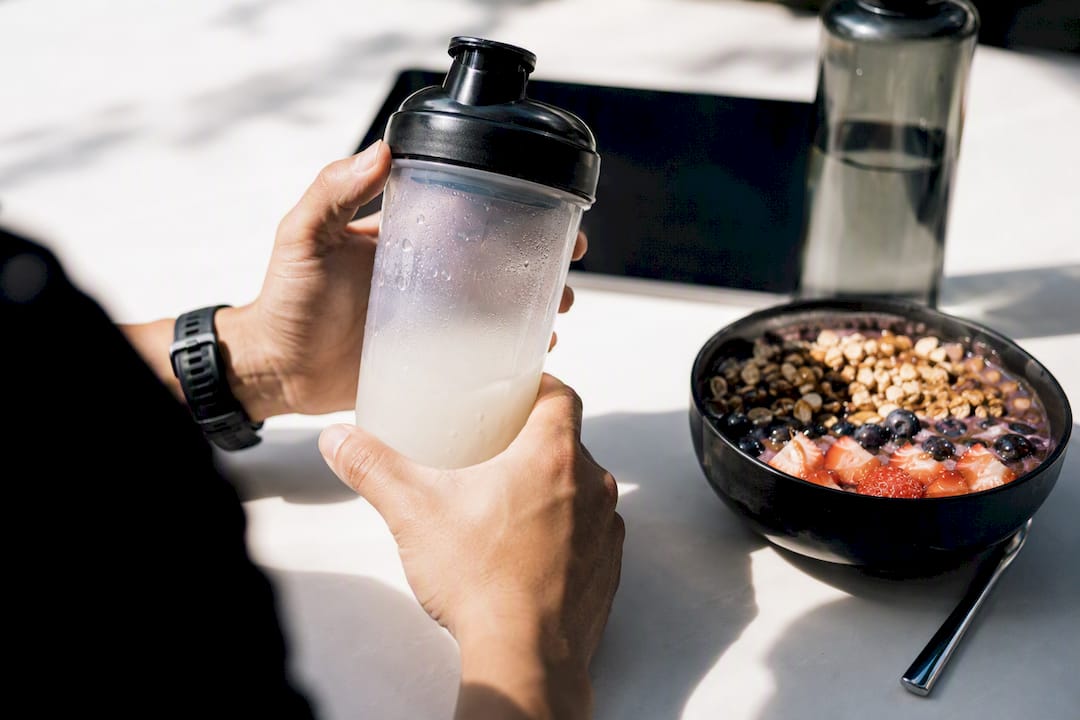
- Take each dose with a carbohydrate-containing meal. Carbs trigger an insulin response that modestly improves creatine uptake and eases stomach discomfort.
- Increase your fluid intake. Creatine draws water into muscle cells, so drink more than usual during the loading week to manage the osmotic shift.
- Hold this pattern for 5 to 7 days, then drop to a maintenance dose of 3 to 5 grams per day (about 0.03 grams per kilogram), taken any time that’s convenient.
- Prefer to skip loading entirely? Take 3 to 5 grams a day from the start and expect full saturation in about 28 to 30 days. Same destination, no GI risk, no water-weight bump.
Pro Tip: If bloating hits hard during loading, don’t push through it. Drop straight to 3 grams a day. You’ll still reach saturation within a few weeks, just on a slightly slower curve, and your stomach will thank you.
For a deeper look at dosing rationale and timing windows across different creatine forms, Racepack SG’s guide on creatine monohydrate benefits, dosage, and timing covers the underlying mechanics in more detail.
Should You Load or Just Start With Maintenance Dosing?
Run through this before deciding:
- Load if you have a race, meet, or testing block inside the next 7 to 14 days and want your stores topped off before then
- Load if you simply want the muscle fullness and early power boost sooner, and you tolerate higher doses fine
- Skip loading if you’re prone to stomach issues, since splitting doses helps but doesn’t eliminate risk for everyone
- Skip loading if you’re closely tracking body weight, since the early water shift can be confusing to interpret
- When in doubt, default to steady dosing. Taking 3 to 5 grams daily from day one is simpler, gentler on your gut, and gets you to the identical saturation point within a month
Why Racepack SG’s Creatine Lineup Fits Both Protocols
Getting the dosing math right matters less if the product itself is inconsistent or hard to source reliably in Singapore. Racepack SG stocks internationally recognized creatine brands with guaranteed authenticity and next-day delivery, which matters when you’re timing a loading phase around a specific event.
- Daily maintenance, minus the measuring: Life Extension Creatine Capsules suit lifters who want consistent 3 to 5 gram dosing without scooping powder every day
- Long-term or team use: SiS Creatine 400g covers months of maintenance dosing at a better cost per serving, useful if you’re supplying a training group
Written by Jason John for Racepack SG, this guide draws on published creatine research and standard sports nutrition dosing frameworks rather than promotional claims. If you’re doing capsule math, check the label. A typical 5 gram powder serving might equal several capsules depending on strength per capsule, so match your daily target rather than assuming a 1 to 1 swap.
| Product | Best For |
|---|---|
| Life Extension Creatine Capsules | Daily maintenance without measuring |
| SiS Creatine 400g | Long-term or team maintenance dosing |
Loading Is a Timeline Decision, Not a Performance Hack
The conventional wisdom treats loading like a shortcut to better gains. It isn’t. Loading is a scheduling decision, and treating it as anything more sets up unrealistic expectations. The research is consistent: whether you load hard for a week or dose steadily for a month, you land at the same muscle saturation point, and your strength gains still come from the training you actually do.
Where most advice falls short is in downplaying the GI risk, or worse, suggesting a single 20-gram dose is fine because “it’s just creatine.” It isn’t fine for a meaningful share of people, and there’s no performance upside to taking that risk when splitting doses works just as well.
If you’re prioritizing anything here, prioritize the maintenance dose. That’s the number that matters for months and years, not the loading week that lasts seven days. Get comfortable with 3 to 5 grams daily as your baseline, and only add the loading phase on top when a real deadline demands it.
Get the Right Creatine for Your Protocol, Delivered Next Day
Whether you’re loading hard for a competition in two weeks or easing into steady 3 to 5 gram maintenance dosing, the product you choose matters as much as the math. Racepack SG carries verified, authentic creatine from brands built for exactly this, with next-day delivery across Singapore so you’re not waiting around once you’ve decided on your protocol.
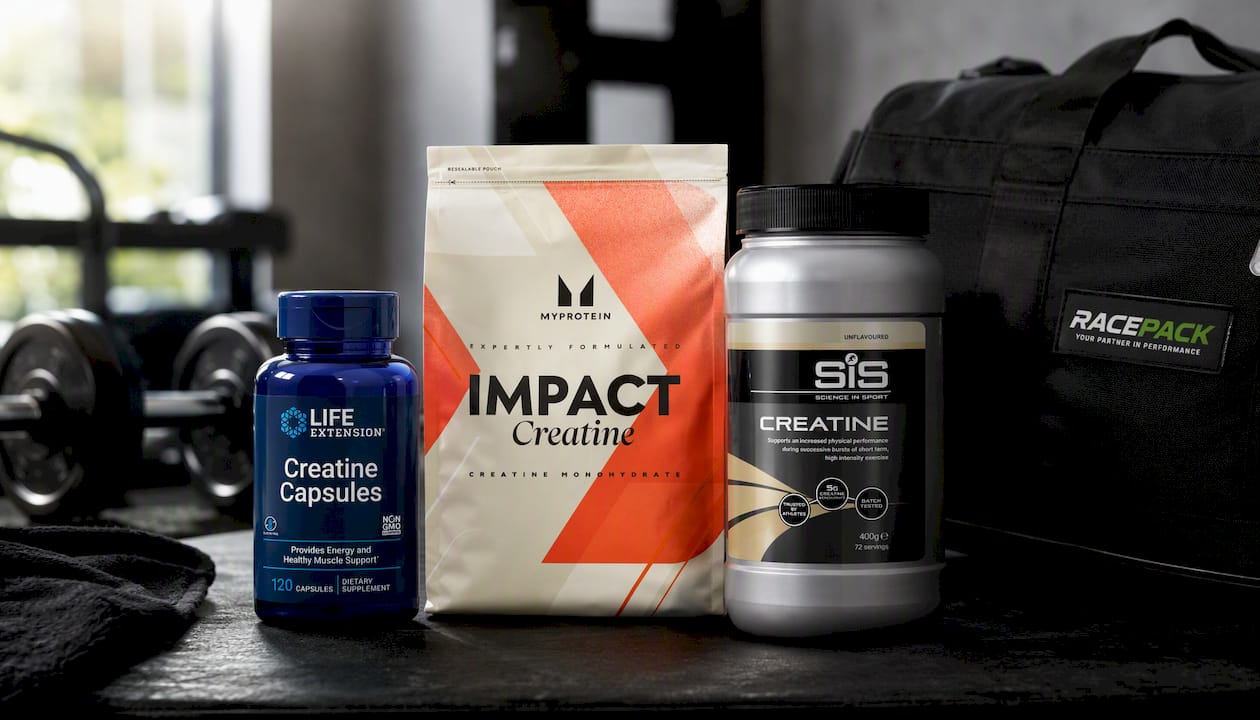
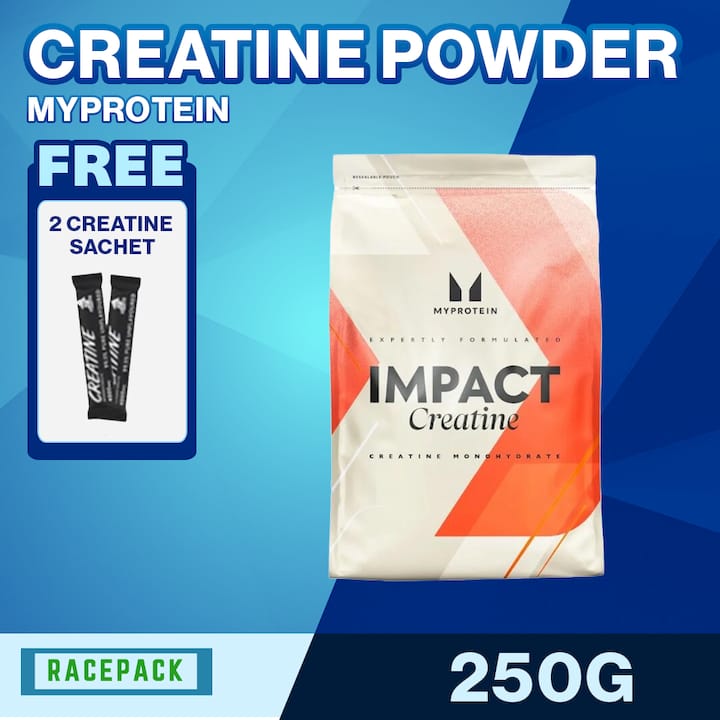
If you’re running a full loading week, the MyProtein Creatine Powder 250g gives you flexible dosing without buying a bulk tub you might not finish. Settling into long-term maintenance, the Life Extension Creatine Capsules take the guesswork out of daily dosing, no scoops required. Supplying a training group or planning months ahead, SiS Creatine 400g covers you at a lower cost per serving. Browse the full lineup and buy now to get your creatine sorted before your next training block starts.
Sources
- What to Know About the Creatine Loading Phase
- Is the Creatine Loading Phase Worth Doing?
- PMC review on creatine (2023/2024 review article)
- Creatine loading phase: Definition and how to
FAQ
What is a good loading phase for creatine?
A standard loading phase is 20 to 25 grams per day, split into 4 to 5 doses of about 5 grams each, taken for 5 to 7 days before switching to 3 to 5 grams daily maintenance.
Can I take 20 grams of creatine at once during loading?
Taking a full 20 gram dose in one sitting raises your risk of GI upset and bloating. Splitting it into four 5 gram servings across the day works just as well with far less stomach discomfort.
Does a creatine loading phase actually work?
Yes, in the sense that it saturates muscle creatine stores faster, typically within 5 to 7 days versus about a month with daily dosing alone. It doesn’t produce better long-term results than skipping it.
Is 10 grams of creatine a day considered loading?
Ten grams a day is more than typical maintenance but below the standard 20 to 25 gram loading protocol. It will saturate stores somewhat faster than 3 to 5 grams daily, though not as quickly as a full loading dose.
Do you need to load creatine to see results?
No. Taking 3 to 5 grams daily from the start gets you to full saturation in about 28 to 30 days, with identical long-term outcomes to loading.
How long should a creatine loading phase last?
Most protocols run 5 to 7 days at 20 to 25 grams per day, based on the Cleveland Clinic’s guidance, before dropping to maintenance dosing.
What are the most common creatine loading side effects?
Gastrointestinal upset, bloating, and early water-related weight gain of roughly 1 to 3 kilograms are the most commonly reported effects, mostly tied to higher single doses.
Should I take creatine with food during loading?
Yes. Taking each dose with a carbohydrate-containing meal can improve uptake and reduce stomach discomfort compared to taking creatine on an empty stomach.
Is creatine loading safe for healthy adults?
Research reviews consistently describe creatine monohydrate as safe for healthy adults at standard loading and maintenance doses. Anyone with pre-existing kidney disease should consult a doctor first.
What’s the difference between creatine loading and maintenance dosing?
Loading uses a higher dose (20 to 25 g/day) for a short period to saturate muscles quickly, while maintenance uses a lower dose (3 to 5 g/day) to sustain those stores indefinitely.
Which Racepack SG creatine product works best for loading?
The MyProtein Creatine Powder 250g is sized well for a loading week plus several weeks of maintenance, making it a practical choice for a first attempt at loading.
Do vegetarians respond differently to creatine loading?
Vegetarians and vegans often start with lower baseline creatine stores since dietary creatine comes mainly from meat and fish, so they may notice a larger relative improvement after loading or consistent supplementation.